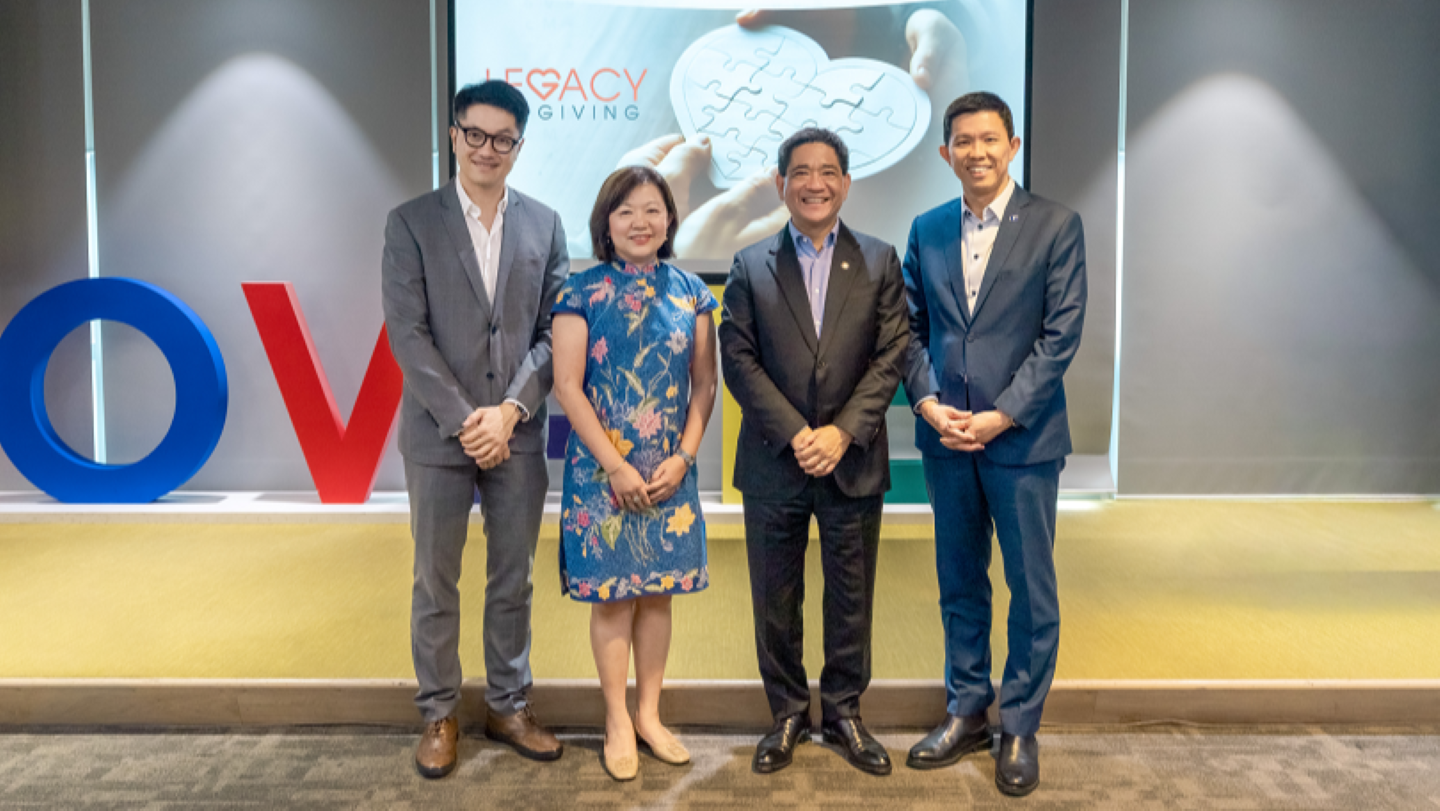
Bank of Singapore has introduced a new platform to support clients in organising charitable giving through donor-advised fund (DAF) structures made available via Community Foundation of Singapore (CFS) and TT Foundation Advisers (TTFA).
The platform, Legacy of Giving, DAF model will allow clients with philanthropic capital to have more discretion over how the fund is invested, creating scope for assets set aside for charity to increase over time.
Go deeper with GlobalData


Access deeper industry intelligence
Experience unmatched clarity with a single platform that combines unique data, AI, and human expertise.
Legacy of Giving brings together the governance frameworks, charity networks and philanthropic experience of CFS and TTFA with the bank’s wealth planning and investment services, according to the bank.
The platform is intended to offer a range of structures for clients with differing charitable objectives.
Under the DAF structure, the philanthropic partners can give clients a more direct role in determining the investment approach linked to their charitable funds.
The clients will also receive input from its Chief Investment Office in managing capital intended for long-term giving.
For clients looking for less complex arrangements, the platform also includes bank-managed portfolios and funds that have been approved in advance by CFS or TTFA, as well as grant-making DAFs that do not include an investment element.
Bank of Singapore CEO Jason Moo said: “Our Legacy of Giving platform gives clients a professionally managed way to do so, backed not just by Bank of Singapore’s investment capabilities but also with the best practices of Community Foundation of Singapore and TT Foundation Advisors.”
In July, Bank of Singapore, the private banking unit of Overseas-Chinese Banking Corp (OCBC), launched an agentic AI system to reduce the time needed to open new accounts for wealth clients.
The system, called HELIOS, is designed to simplify due diligence work and the preparation of credit risk profiles for new clients.
The aim was to cut client onboarding time 15 business days, from more than 30.