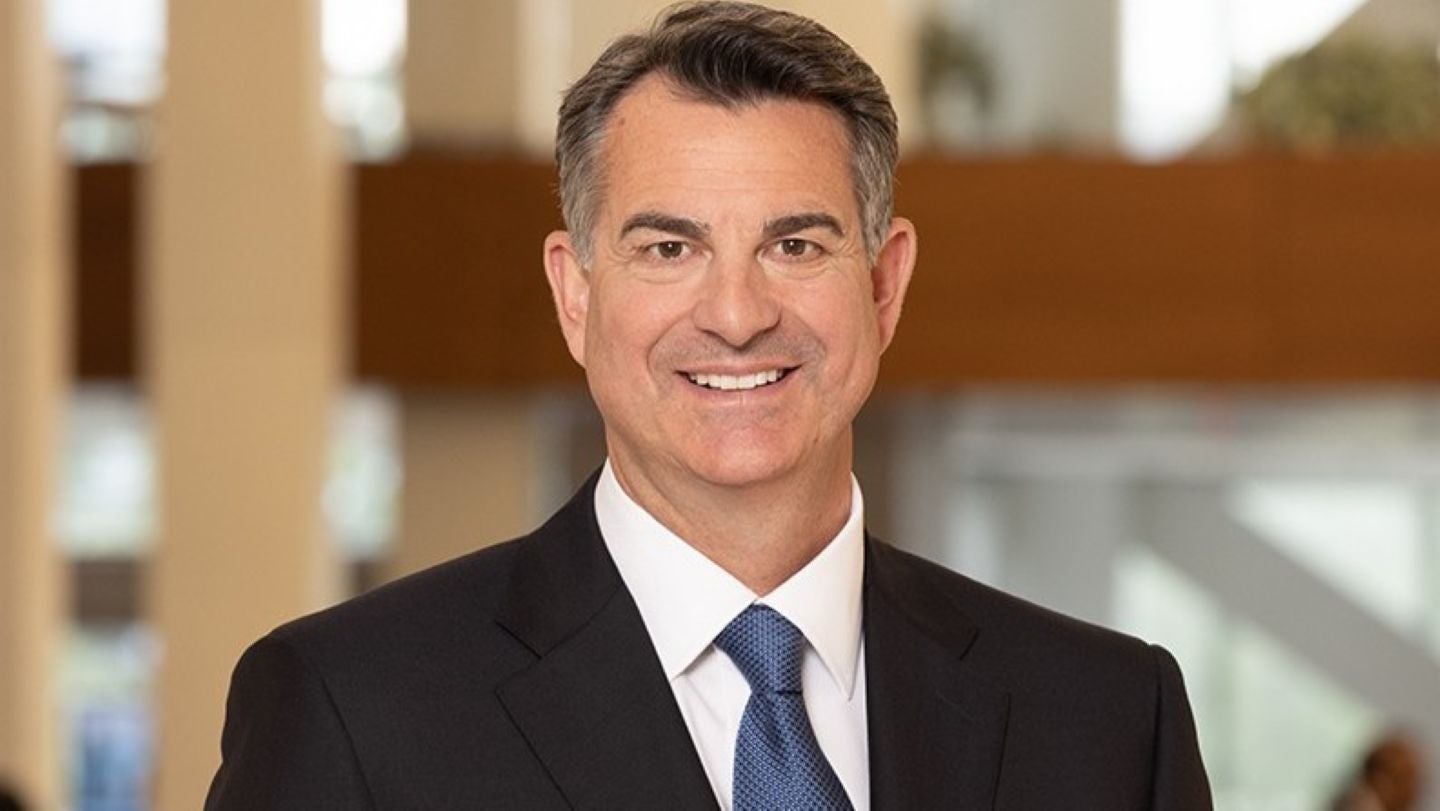
Wealth management demand is shifting as UHNW clients navigate geopolitics, inflation, and volatility. Citi believes this makes disciplined asset allocation, portfolio resilience, and global family office expertise far more valuable than traditional product models.
In this interview, Chris Biotti, the head of Citi Private Bank North America, discusses the bank’s near-term plans to add 100+ advisers, serving 25% of global billionaires, and deploying highly selective private market strategies in a moderate-return environment.
Go deeper with GlobalData


Access deeper industry intelligence
Experience unmatched clarity with a single platform that combines unique data, AI, and human expertise.
PBI: Looking back over the past few quarters, what has been Citi Private Bank’s biggest win in North America, and how is the region contributing to the bank’s broader wealth growth?
Chris Biotti: Citi Private Bank North America’s biggest wins are centred around the advisers we attract and our ability to deliver for our ultra-high-net-worth clients with cross-border needs. We continue to attract talent such as Sam Gottesman (our new market executive – northeast) and bankers including Michelle Pryor and Teresa Radzinski who are shaping the future of our business. I am particularly proud of our ability to drive investments, deliver a unique platform and enhanced client experience and contribute to Citi’s broader wealth strategy.
PBI: North America is an incredibly competitive wealth market. What is Citi Private Bank’s clearest structural advantage when competing for ultra-high-net-worth clients today?
Chris Biotti: Citi Private Bank North America has a clear advantage given our globality, family office expertise, investment platform and capital markets acumen. These competitive advantages help us serve the ultra high net worth (UHNW) clients that are true global citizens and the world’s changemakers. Lastly, we serve nearly 2,000 family offices globally representing nearly 25% of the world’s billionaires. With capabilities specifically tailored to provide alternative investment, direct private investment and other complex hedging and monetisation strategies, we continue to attract UHNW clients with the most complex needs.
PBI: What are the biggest shifts you are seeing in client priorities, and how are they changing your product strategy and growth plans?
Chris Biotti: As clients continue to share concerns over geopolitics, inflation and market volatility, maintaining diversified portfolios is the key to building resilient portfolios. We are focused on providing clients with potential investment opportunities and advisory solutions to meet the scale and complexity of their financial ambitions. Our product strategy is focused on providing our clients with access to the best of Citi – offering a diverse array of investment, banking and lending solutions.
PBI: As Citi reinvests in its wealth business, how ambitious are your North American hiring plans, and which specific roles or capabilities are the biggest priorities?
Chris Biotti: As Andy Sieg announced at Investor Day this past May, we are hiring advisers globally. With roughly 400 bankers and 200 investment counsellors as part of our Private Bank worldwide, we plan to grow by more than 100 in the near term. And as North America plays an important role in the larger growth strategy at Citi, North America has a large portion of the adviser expansion strategy within the Private Bank expansion. Advisers outside Citi are taking notice in our transformation being orchestrated by Jane Fraser and Andy Sieg and they want to be part of our story!
PBI: With interest rates and economic conditions shifting, how are you helping clients balance cash, short-term yields, and the risk of waiting too long to invest?
Chris Biotti: Many investors have enjoyed attractive cash yields over the last few years, but cash is increasingly becoming a source of reinvestment risk as rates normalise. We’re encouraging clients to move beyond an ‘all-or-nothing’ mindset and gradually put excess cash to work through disciplined portfolio construction and taking advantage of the potential opportunities that the markets are giving us.
History shows that time in the market is more valuable than trying to time the market, particularly when economic growth remains resilient and markets continue to reward clients with long-term investment horizons. Ultimately, and as long as they have the right strategic asset allocation, clients realise that one of the biggest risks for their portfolios isn’t necessarily volatility, it’s being underinvested.
PBI: As demand for private credit and other alternatives grows, where do you see the most compelling opportunities today, and where are you becoming more selective?
Chris Biotti: Alternatives continue to play an increasingly important role in our suitable and qualified clients’ portfolios. We see compelling potential opportunities in infrastructure, private credit and real estate as well as around select private equity strategies where investors can access differentiated sources of income and growth that seek to diversify them from traditional assets in their portfolios.
At the same time, we’re becoming more selective in areas where capital has become abundant and valuations no longer adequately compensate investors for the risks they’re taking. Manager selection and disciplined deployment of alternative portfolios have always been relevant, but now are more important than ever.
PBI: With inflation, interest rates, and valuations still uncertain, are you preparing clients for lower returns over the next 12 months?
Chris Biotti: Rather than focusing on a single return forecast, we’re helping clients prepare for a wider range of outcomes. While returns may be more moderate than some of the exceptionally strong periods investors have experienced, we continue to see attractive opportunities across both public and private markets. The key message is that uncertainty is normal, and well-diversified, resilient portfolios built around long-term objectives have historically been the most effective way to navigate a wide range of market cycles.