Gold has become the world’s largest reserve asset, moving ahead of US government bonds, according to a European Central Bank (ECB) report.
The shift follows years of heavy buying by central banks and a steep rise in bullion prices over the past two years.

Access deeper industry intelligence
Experience unmatched clarity with a single platform that combines unique data, AI, and human expertise.
The ECB said gold accounted for 27% of global central bank reserve assets at the end of 2025. That was up from 20% a year earlier. By contrast, the share of US Treasuries fell to 22% from 25% over the same period.
The share of euro-denominated reserve assets was unchanged at 15%.
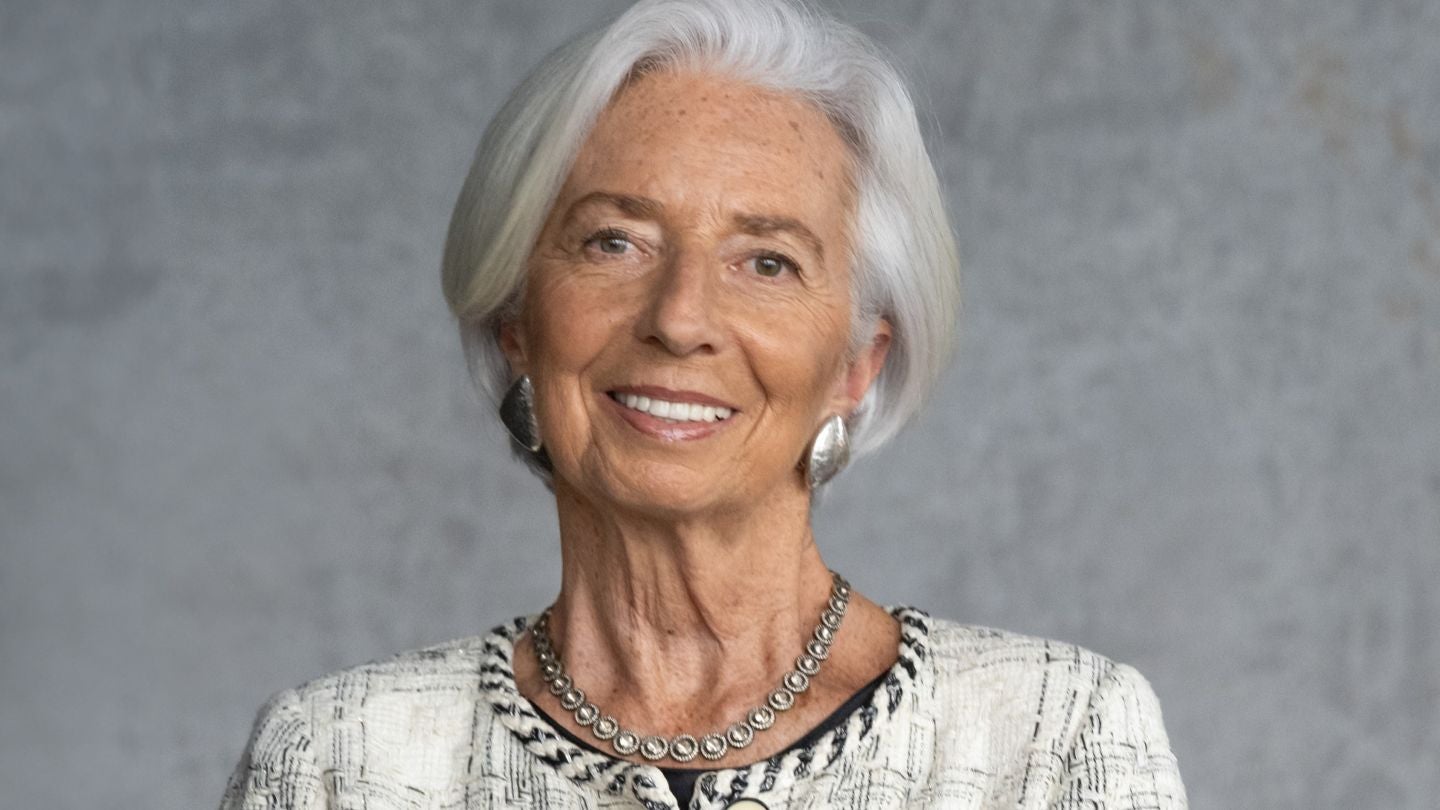
“Geopolitical tensions continue to drive strong central bank demand for gold,” wrote ECB president Christine Lagarde in the report.
The ECB said central banks now hold more than 36,000 tonnes of gold.
That is close to the level seen during the Bretton Woods era, when central banks held 38,000 tonnes of the metal.
At that time, the US dollar was pegged to bullion and exchange rates against other currencies were fixed.
The ECB said gold’s move past US Treasuries, long a core part of international dollar reserves, was also driven by a strong rally in prices.
The metal reached more than $5,500 a troy ounce in January, according to the report.
Even so, dollar-denominated assets remained the biggest overall component of global reserves, making up 42% of the total.
Central bank gold buying slowed slightly in 2025.
Net purchases totalled 850 tonnes last year, after three straight years in which annual buying had exceeded 1,000 tonnes.
The report said the biggest additions to gold reserves since 2022 came from China, Poland, Turkey and India.
It also said stablecoin company Tether was the single largest buyer in 2025, after purchasing more than 100 tonnes of gold.
Turkey, which had added 220 tonnes of gold since Russia’s invasion of Ukraine in 2022, later reduced its reserves sharply.
In early 2026, it sold or loaned 130 tonnes of gold after the start of the Iran war.
The ECB described this as “one of the largest reserve drawdowns in recent years”.
The report also pointed to a gradual rise in the international role of the euro.
It said issuance of international debt denominated in euros increased by 30% last year to nearly €1tn.
At the same time, foreign investors made net purchases of €850bn in euro area assets. That pushed foreign portfolio inflows close to their highest level since the euro was created.