Standard Chartered is planning to target its corporate customers to grow its private banking arm, which accounted for merely 3.3% of total operating income last year.
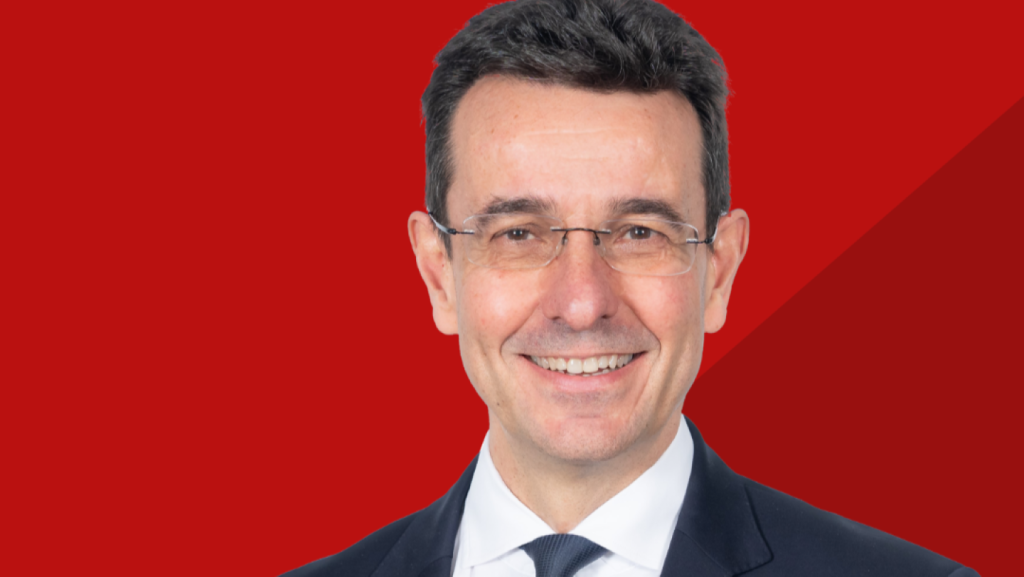
The private banking unit, which is still-small segment of the bank, was homing in on clients who already did business with the commercial side of the bank, Michael Benz, the bank’s global head of private banking, was quoted as saying by South China Morning Post.
Go deeper with GlobalData


Access deeper industry intelligence
Experience unmatched clarity with a single platform that combines unique data, AI, and human expertise.
According to Benz, in order to sustain the fierce market competition with the same asset management products as the other private banks in Asia, the lender’s strategy is now not focused on what kind of products it can deliver to its clients.
Instead it emphasizes on bringing in ultra-high net worth entrepreneurs, some of whom are already banking with its commercial bank.
"Instead of doing what everyone else does very intensely, we try to leverage on the very unique growth opportunities that we have, and one of those is the existing network of corporate clients. They want to access the whole bank and not just the asset management part of the bank," Benz told the Chinese publication.
In April 2014, Standard Chartered restructured its operations in a bid to streamline cooperation between the businesses of the bank, which led to the creation of the commercial and private banking unit.
The lender unveiled in January that it would scrap its cash equities business and research department, which in turn led to concerns on how it would impact the products that the newly restructured private bank would be able to offer its clients.
However, according to Benz, the private bank will not be affected much by this move, as the bank has always used several third-party sources for equities research, and the closure of its institutional equities research implies that the bank will now rely solely on those sources.
"That’s the same. The only difference you can say is we don’t have our own Standard Chartered institutional equities research anymore. But we still have all the others. The client will not feel any change in the private bank," he said.