Amid the rapid growth of the hedge fund industry and the complex regulatory climate following the financial crisis, hedge fund managers and institutional investors have differing views on transparency and independent controls, according to a new survey by Northern Trust.
An overwhelming majority of managers (90%) believe that all or nearly all of their investors are satisfied with the level of transparency they receive.
Go deeper with GlobalData


Access deeper industry intelligence
Experience unmatched clarity with a single platform that combines unique data, AI, and human expertise.
However, about half (55%) of investors say they seek higher levels of transparency than they currently receive.
Investors place such value on transparency that many are willing to pay for it. Among those investors who desire more transparency, 78% say they would accept a 1-to-3 basis point increase in management fees to support the operational costs for such reporting.
Regarding the issue of independent controls, there is a perception gap between the level of independent oversight investors value and the controls managers actually have in place.
– While 96% of investors indicate independent verification of cash processing is extremely or somewhat important, only 44% of managers say they have independent controls on cash.
– Additionally, 43% of investors say independent checks on portfolio risk calculations are extremely important, yet only 13% of managers employ such independent controls.
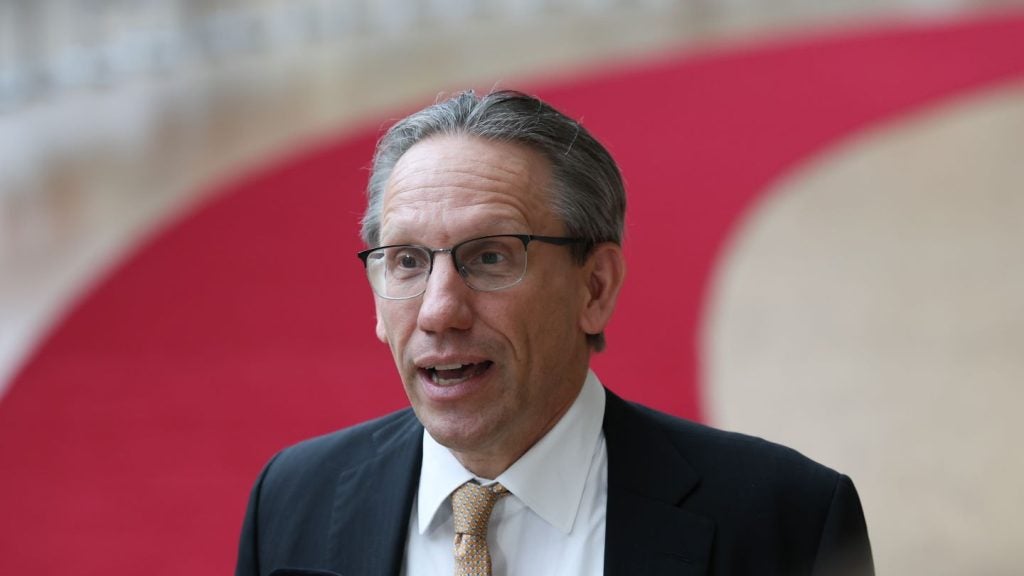
Northern Trust Hedge Fund Services CEO Peter Sanchez said, "Despite the ongoing push for transparency, a majority of hedge fund investors are still seeking more insight into their investments. Bridging the transparency gap goes beyond costs. It requires a balance where investors get the reports they need while managers retain ownership of their unique strategy. We believe providing insight into risk is one approach to bridging that gap."
Increased regulation in the wake of the financial crisis has played a role in reshaping the hedge fund industry and increasing the operational demands on hedge fund managers.
Surprisingly, a majority of managers (59%) and investors (53%) feel some regulations have helped reduce the likelihood and severity of another financial crisis.
But the industry continues to have skeptics, as 40% of investors and 34% of managers say regulations have done nothing to prevent a future crisis.
Over the next five years, hedge fund managers and investors are in agreement on the need to recruit and retain top talent. However, while issues related to regulation and fund operations are top priorities for investors, few managers agree.
– About half of investors (56%) and managers (45%) rank the recruitment and retention of talent, as either their number one or two priority.
– Many investors also highly rank regulation (46%), including regulatory reporting and investor due diligence, and operations and internal infrastructure (56%) as a number one or two priority.
However, less than a third of managers rank regulation (26%) and operations (30%) similarly.
"As the hedge fund industry becomes dominated by institutional investors, managers must continue to invest in their operations and infrastructure to meet the growing needs of these investors. The strength of a fund’s operations is evolving into a key driver of success as it allows managers to adapt more quickly to the ever-changing regulatory climate and address the transparency demands of their investors," added Sanchez.