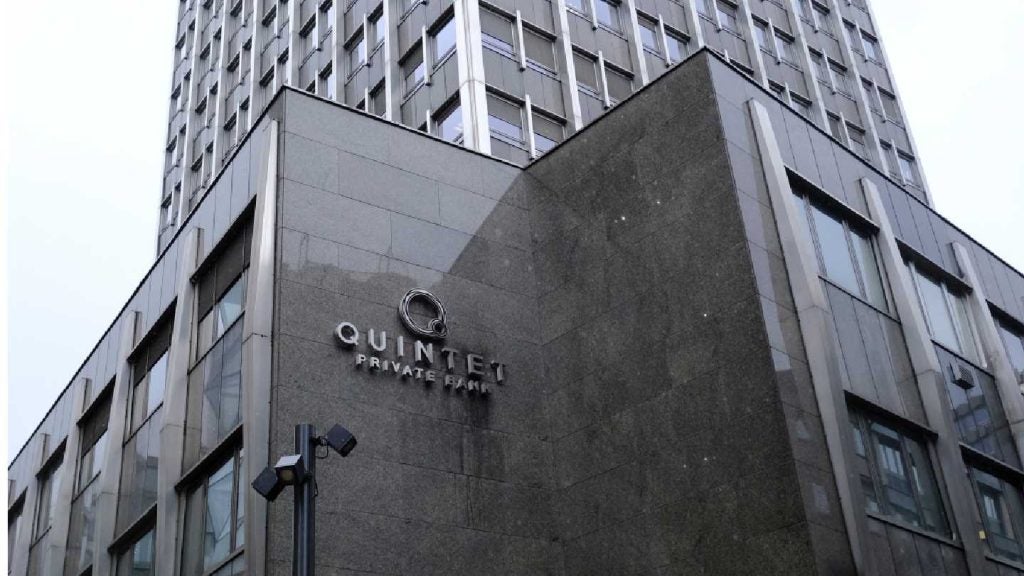
Former HSBC employee Herve Falciani has been arrested in Spain
at the request of Swiss authorities seeking his extradition for
stealing and passing on secret data.
Falciani is accused of handing over the
account details of up to 24,000 HSBC Private Bank (Suisse) clients
to French tax authorities dating back to 2005 and 2006.
Go deeper with GlobalData


Access deeper industry intelligence
Experience unmatched clarity with a single platform that combines unique data, AI, and human expertise.
A spokesperson from the Swiss Federal
Department of Justice and Police confirmed to PBI that the former
computer specialist was arrested three weeks ago.
“The French-Italian citizen Hervé Falciani has
been arrested in Barcelona on July 1, 2012. The Federal Justice
Office (OFJ) made a search request based on an arrest warrant
released by the Confederation Public Minister (MPC). The MPC has
opened a criminal inquiry against the ex-HSBC computer expert in
relation to the theft of bank data at HSBC.”
Swiss authorities said they had been
investigating the matter since 2008 before issuing an international
warrant for his arrest in August 2010.
US Tariffs are shifting - will you react or anticipate?
Don’t let policy changes catch you off guard. Stay proactive with real-time data and expert analysis.
By GlobalDataLeakage spurred tax
crackdowns
In 2009, Falciani admitted to leaking data to
French authorities to expose tax evaders amongst HSBC’s customers.
In an interview with France television he said that the action was
his civic duty.
Information provided to European authorities
about citizens who have evaded taxes by holding taxable assets in
Switzerland has led to millions of euros being repatriated to
government coffers.
On July 4, UK property developer Micheal Shanly became the first
high net worth investor to be convicted of tax avoidance using data
linked to the theft of the HSBC Private Bank client account
details.
Shanly, estimated to be worth £157m, ($243m) was fined £830,000
($1.28m).
If found guilty Falciani could face a fine up to CHF250,000
($253,000) and up to three years in prison.