Fidelity Investments has expanded its overall Exchange Traded Fund offering for investors and financial advisors with the introduction of the company’s first suite of three actively managed fixed income ETFs.
Fidelity’s three new actively managed fixed income ETFs include Fidelity Total Bond ETF (ticker:FBND), Fidelity Limited Term Bond ETF (ticker:FLTB) and Fidelity Corporate Bond ETF (ticker:FCOR). Each of the new ETFs are competitively priced with total expense ratios2 of 0.45 percent.
Go deeper with GlobalData


Access deeper industry intelligence
Experience unmatched clarity with a single platform that combines unique data, AI, and human expertise.
In addition, investors and registered investment advisors (RIAs) can purchase the three ETFs commission-free online through one of Fidelity’s brokerage platforms.
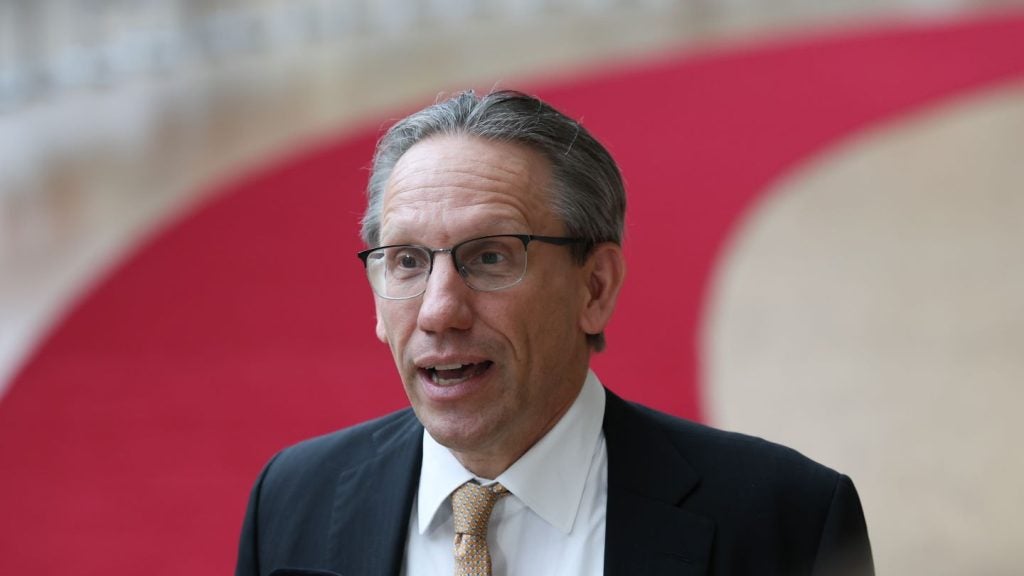
"With the launch of these three Fidelity ETFs, investors and advisors who are seeking the benefits and flexibility of an ETF vehicle can now access three of our flagship active bond strategies," said Bob Brown, president of Fidelity’s Bond division. "By leveraging Fidelity’s active fixed income investment management capabilities, including one of the deepest research teams in the industry, our new ETFs also offer investors and advisors the potential to outperform an index."
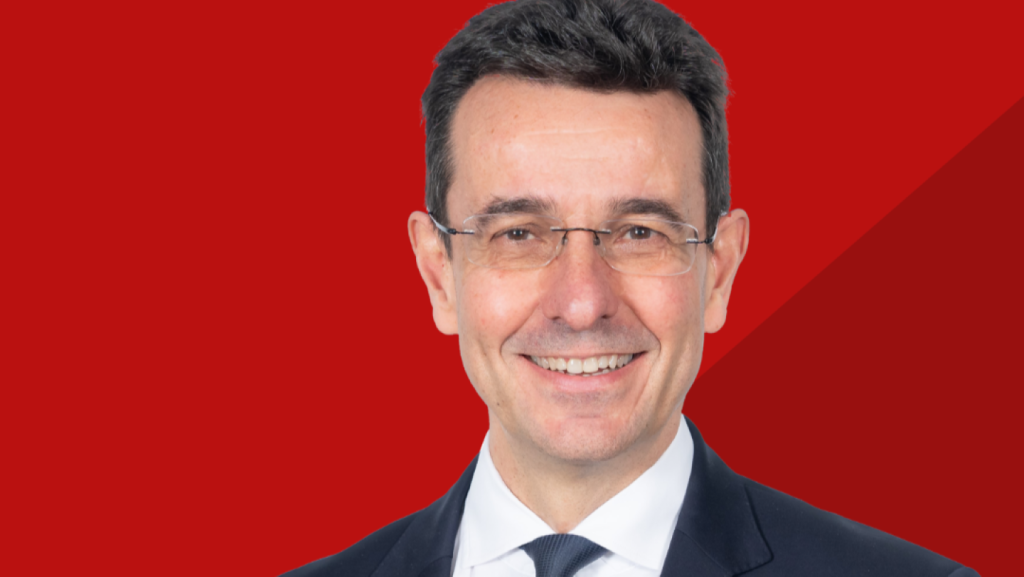
"Fidelity has been in the ETF business for more than a decade offering our customers access to one of the industry’s strongest platforms," said Ram Subramaniam, president of Fidelity Brokerage.
"The new Fidelity active ETFs reinforce our commitment to delivering exceptional value to our customers… value not just in terms of competitive pricing, but also in the quality of asset managers, breadth of the offering and depth of educational resources."
Competitively priced with total expense ratios of 0.45 percent, Fidelity’s three ETFs are managed by experienced portfolio managers:
- Fidelity Total Bond ETF /Ford O’Neil, Pramod Atluri and Michael Foggin
- Fidelity Limited Term Bond ETF / Rob Galusza and David Prothro
- Fidelity Corporate Bond ETF / Michael Plage and David Prothro
"While active ETFs are still in their infancy, we are seeing increased demand and believe that the market is ready for more choice in the active approaches offered through the ETF structure" said Scott E. Couto, president of Fidelity Financial Advisor Solutions. "We believe our ETF offering offers investors and advisors excellent choice across the duration spectrum, including a true, core fixed income strategy."
Actively managed ETFs are relatively new and at $17 billion represent approximately 1 percent of total ETF assets3. Of the $17 billion in total actively managed ETF assets, fixed income represents 76 percent and has grown at an average annual rate of158 percent sinceJanuary 2010.
Fidelity, which has more than 40 years of global fixed income investing experience, currently manages more than $865 billion in fixed income assets.4 This new suite of active ETFs complements the firm’s active fixed income mutual funds, ensuring that investors have access to Fidelity’s active fixed income management capabilities through both investment vehicles.
The launch of three new actively managed fixed income ETFs follows the company’s successful launch late last year of 10 Fidelity passive sector ETFs. In less than a year, the 10 passive sector ETFs surpassed $1.4 billion in assets under management.
Fidelity has provided its brokerage customers, both individual investors and advisors, access to thousands of ETFs for a number of years and has more than $175 billion in ETF assets under administration5. With the addition of the three new actively managed fixed income ETFs, Fidelity customers now have access to 84 commission-free ETFs. The company also has a dedicated ETF Center on Fidelity.com that provides education, research and an ETF Portfolio Builder to help investors integrate ETFs into their investment portfolio.