EU finance ministers have approved multiple anti-tax evasion measures in a bid to combat the tax-evading methods revealed by the recent massive data leak known as Panama Papers.
The ministers have agreed to set up a joint list of tax havens to unveil the jurisdictions being used by European individuals and companies to dodge tax.
Go deeper with GlobalData


Access deeper industry intelligence
Experience unmatched clarity with a single platform that combines unique data, AI, and human expertise.
They also agreed to trial a pilot project on the automatic sharing of data on the ownership of shell companies.
The measure was unveiled by Britain, Germany, France, Italy and Spain, and later received the backing of 20 countries and territories in Europe, including Isle of Man, Gibraltar and Montserrat.
In addition, talks are expected to begin next week on new rules that will require large firms in Europe to reveal their earnings in each country publicly.
This proposal has received a mixed reaction across the EU, with many citing that sensitive corporate data should only be revealed to tax authorities.
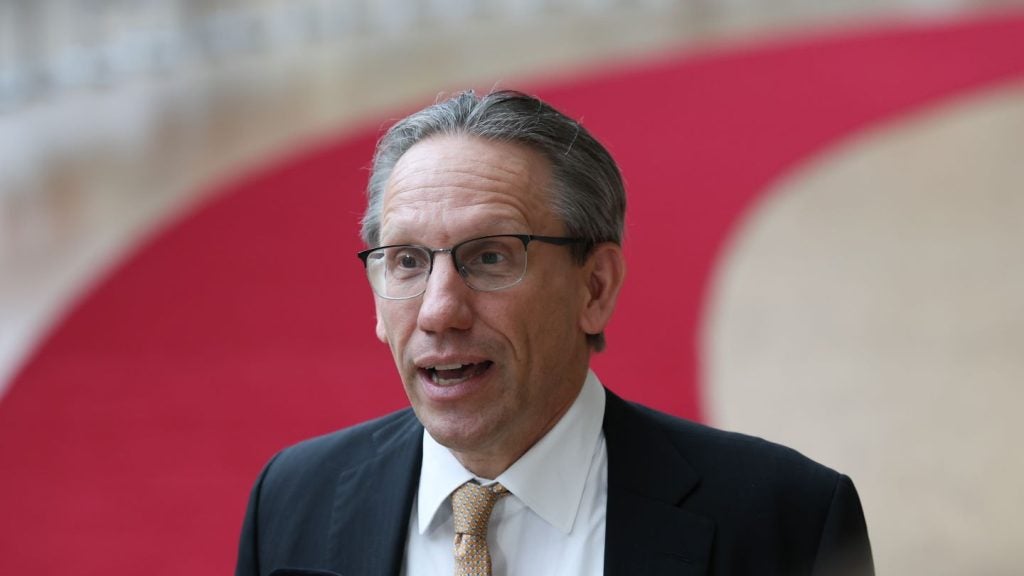
Dutch finance minister Jeroen Dijsselbloem who at present holds the EU’s rotating presidency, said: "The sense of urgency is definitely much bigger.
"We’ve been [so] busy competing with each other… that big companies tend not to pay taxes."
A massive data leak dubbed the Panama Papers exposed how the world’s affluent hide their wealth from the taxman. The exposure, which was the result of over 11 million files being leaked from the Panama-based offshore law firm Mossack Fonseca, revealed many illustrious names.
The papers were obtained by the German newspaper Süddeutsche Zeitung from an anonymous source and shared with several media organisations by the International Consortium of Investigative Journalists (ICIJ).