Asia-Pacific retained its spot as the global leader for HNWI population and wealth in 2016, despite a deceleration in pace, according to a report by Capgemini.
Capgemini’s 2017 Asia-Pacific Wealth Report (APWR) revealed HNWI population rising 7.4% and HNWI wealth rising 8.2% in 2016, compared to 9.4% and 9.9% in 2015.
Go deeper with GlobalData


Access deeper industry intelligence
Experience unmatched clarity with a single platform that combines unique data, AI, and human expertise.
The deceleration was driven by slowdown in China and Japan, which accounted for 73% of the Asia-Pacific HNWI population and 68% of HNWI wealth in 2016. China grew 9.1% in 2016 compared with 16.2% a year ago, while Japan grew 6.3% compared with 10.9% last year.
However, the average Asia-Pacific (excluding Japan) wealth manager-held HNWI portfolio recorded a return of 33% in 2016, versus 24.6% for HNWIs in the rest of the world. Compared to the previous year, HNWI allocations to equities and cash rose 4.4 percentage points and 4.3 percentage points, respectively.
Offshore favoured
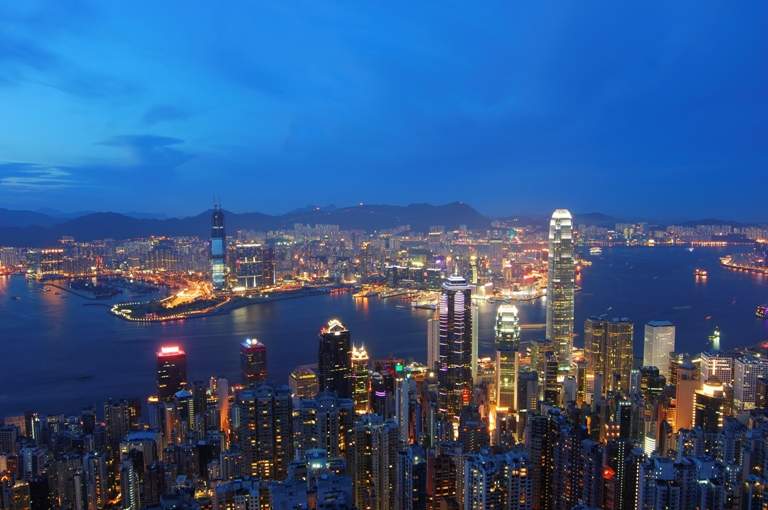
Asia-Pacific HNWIs were also found to have a larger inclination towards offshore investment, with Hong Kong and Singapore being the most preferred offshore destinations. The study found Asia-Pacific (excluding Japan) HNWIs holding 44.7% of assets outside their domestic market as against 41.8% of HNWIs in the rest of the globe.
Also, overall satisfaction among Asia Pacific HNWIs was found to be muted, driven by concerns regarding fee transparency and overall value offered by wealth managers.
Capgemini head of global banking and capital markets Anirban Bose said: “We project that Asia-Pacific will surpass US$40trn in HNWI wealth by 2025 if Emerging Asia capitalises on its tremendous potential to grow at 12.9 percent annually – exceeding the 10.2 percent rate of 2016 – and if Mature Asia grows at 6.4 percent or higher, which it accomplished in 2016 at 6.9 percent.”