September has been a confrontational month for several global heavyweights in the banking world.
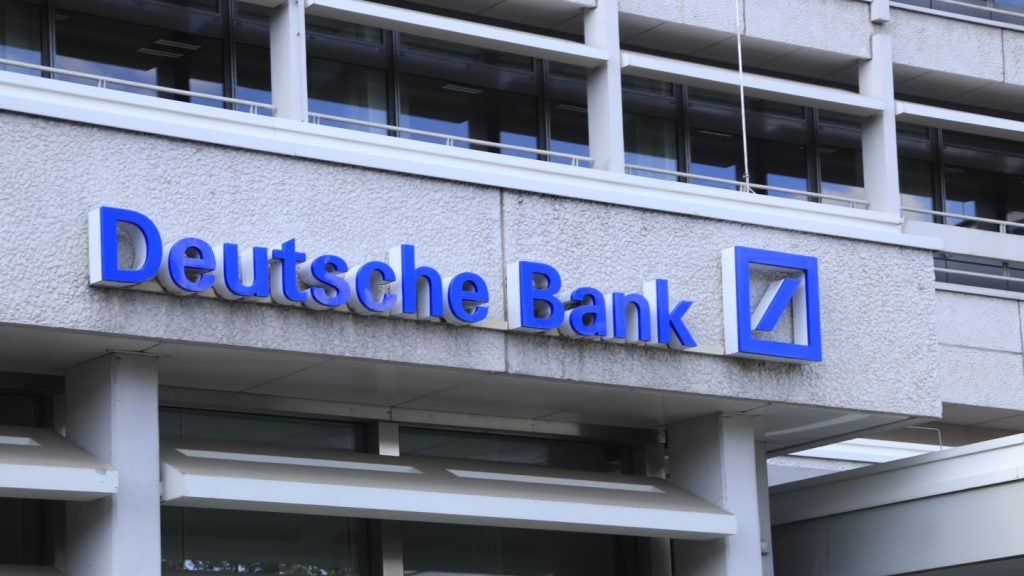
This was the month that the long standing concerns about the profitability of Deutsche Bank dialled up a level, and while Deutsche Bank hogs the headlines it is by no means the only bank under pressure. There is a slow burn crisis in Italy and the likes of USheadquartered Wells Fargo have also been on the naughty step.
Go deeper with GlobalData


Access deeper industry intelligence
Experience unmatched clarity with a single platform that combines unique data, AI, and human expertise.
Nevertheless, Deutsche Bank is a case study of all the afflictions which are weighing down the banking industry at present. The first affliction is the collapse of the old banking model of borrowing at 2% and lending at 4%. In a world of negative interest rates this is simply no longer an option, but private banks are also struggling to make enough returns for clients to justify their fees, while unfunded pension liabilities are also ballooning.
The second is the rapaciousness of regulators that are still out for blood all these years after the US sub-prime crisis. A demand for $15bn was of course the immediate cause of the panic surrounding Deutsche Bank. But the expectation is that Deutsche will be by no means the last to be targeted. Royal Bank of Scotland (RBS) may be next in line, for the
similar sin of mishandling the repackaged mortgages, which were at the heart of the original crisis.
The third is the impact of new and low cost competition, and the undermining of the employee intensive business model as technologies such as artificial intelligence (AI) replicate the old advisory, sales and compliance roles, which the established banks base their operations around.
However, the misdeeds of Wells Fargo are shocking on a different level. The regulatory fines over Wells Fargo’s sales tactics in its branches (bank staff opened accounts without customers’ permission only to hit high sales goals among other horror stories of a pushy sales culture emerging) is a testament of banks struggling to remain profitable and relevant during these changing times.
Some reports suggest that this questionable sales approach extends into its brokerage operations and aggressive cross selling has been a strong focus for the advisory unit of Wells Fargo as well.
Wells Fargo is not the only bank trying to gain more wallet share from clients and pushing multiple products in the hands of customers, albeit in a hostile and unethical manner. With competition intensifying, and customers becoming more independent and knowledgeable, private banks particularly and finding it increasingly difficult to keep a lid on costs, gain new clients and maintain healthy profits.
Over the past few years, the ‘too-big-to-fail’ concept has been put to test several times and clients no longer blindly equate the size and brand of a bank with high stability and revenue. However, when the going gets this tough for the biggest players in the business, it is crucial to re-evaluate business models, operating culture, risk management frameworks and core profitability strategies.
These are all things for private banks to ponder and there are no short answers to any of them.