Julius Baer assets under management (AuM) dropped due to market turbulence caused by the Covid-19 crisis and strengthening of the Swiss franc.
The Swiss private bank’s AuM at the end of April 2020 reached CHF392bn ($403.2bn), a year-to-date fall of 8%.
Go deeper with GlobalData


Access deeper industry intelligence
Experience unmatched clarity with a single platform that combines unique data, AI, and human expertise.
The bank’s annualised net new money growth rate for the first four months of 2020 was just over 2%, driven by wealth management inflows mainly from Europe.
On the positive side, gross margins increased to 95 basis points compared to 82 basis points in 2019.
This was driven by an “exceptional increase” in trading volumes, mainly in March.
The private bank’s BIS CET1 capital ratio stood at 13.8% at the end of April 2020, versus 14% at the 2019-end.
The BIS total capital ratio at the end of April was 21.7%, compared to 22.1% at the end of 2019.
Both the ratios are said to be “significantly above” regulatory requirements.
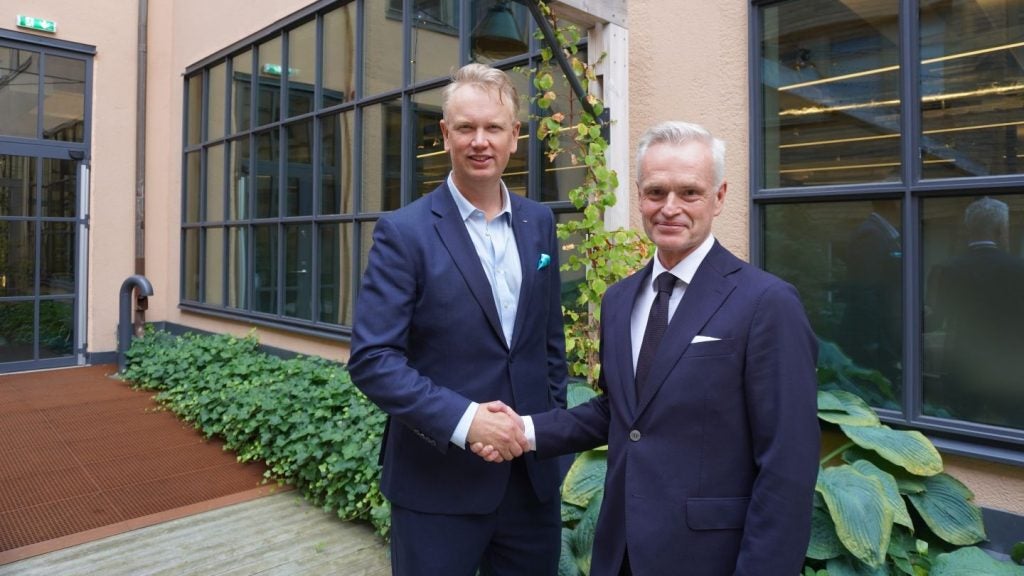
Julius Baer CEO Philipp Rickenbacher said: “We are pleased to be able to report a strong start to the year, although it is clearly too early to assess with any certainty the impact of the COVID-19 crisis on the global economy, the financial markets, and the results of Julius Baer for the remainder of 2020.”
Last month, Julius Baer said that it will split its 2019 dividend distribution of CHF1.50 into two tranches amid the Covid-19 pandemic.
The bank also donated CHF5m for emergency relief efforts related to the pandemic.