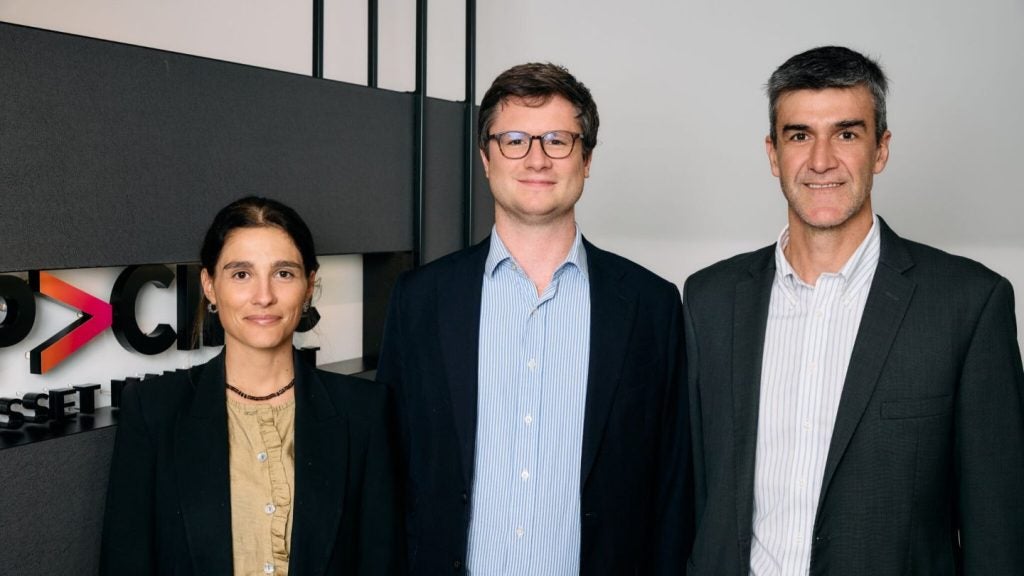
J.P. Morgan has launched the first Asia Family Enterprise Study, which reveals concerns shared by family enterprises and to take a comprehensive look at challenges and best practices about transferring ownership.
The study was done to help families better understand and address the challenges encountered when sustaining a family enterprise across generations, and draws upon detailed survey results from over 140 participants, with successful family enterprises holdings in excess of US$100 million, in multiple jurisdictions throughout Asia. The result is a series of inspiring, frank and open discussions.
Go deeper with GlobalData


Access deeper industry intelligence
Experience unmatched clarity with a single platform that combines unique data, AI, and human expertise.
J.P. Morgan Private Bank in Asia CEO Andrew Cohen said, "We are passionate about exploring the issues that matter to the families we serve in order to provide insight and learning that have sustained benefit. The study provides insights into how succession planning is evolving, with implications for family businesses not only in Asia but across the globe as well."
Of those surveyed, 91% plan to keep the family business rather than selling it or taking it public.
However, most families (88%) are either not prepared at all or only somewhat prepared to transition to new leadership. This seeming indecision underscores a recent crossroads for families in Asia.
Traditionally, the patriarch and/or matriarch handpicks the family member who will take over the business. Today, however, there is increasing focus on identifying the most capable and motivated individual in the next generation for the leadership role.
Head of Wealth Advisory, Southeast Asia Seow Chee Goh remarked, "Succession has grown more complex and challenging. It is a process of looking ahead to the rising generation of a family enterprise, coaching and encouraging the rising generation to participate in charting the path ahead for the family, training and selecting the rising generation of leaders."
The study also highlighted that not every member of the rising generation is necessarily suited to work in the family enterprise. It may even be that a younger member is more qualified and interested in a leadership role than someone older.
Survey results also showed that family business owners vary as to how much they encourage family members to develop — whether outside or within the family business. According to the data:
– 38% of families have no formal program for the successor generation
– 36% encourage outside work experience
– 26% have a defined rotation program in place
"By working at a distant or larger business, potential successors gain greater perspective on the challenges the family business is facing, and its opportunities to grow and develop. Outside experience also allows prospective leaders to develop their skills and build a track record of success," Goh added.