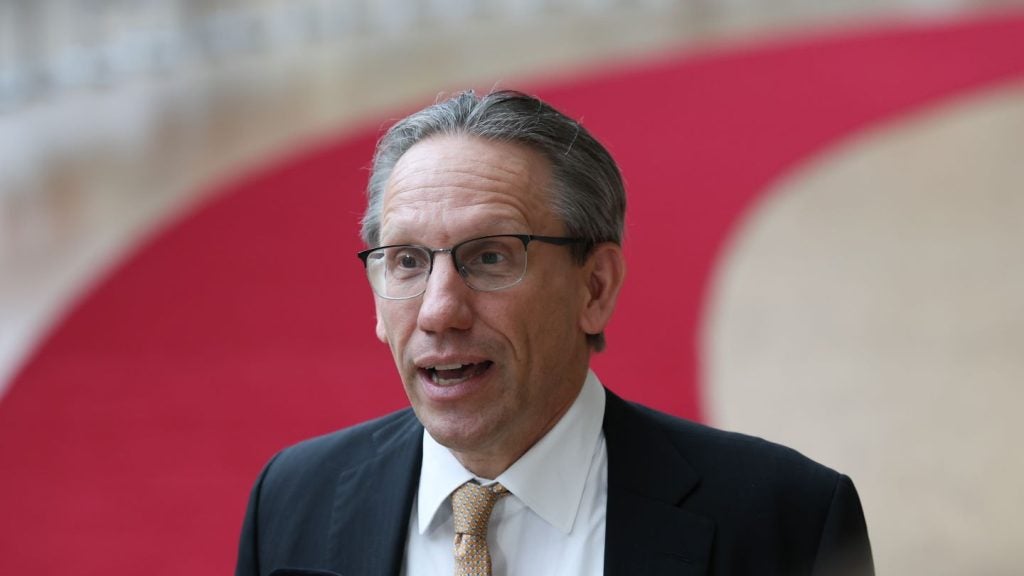
The Canadian prime minister, Stephen Harper, has said he is supportive of the G8’s efforts to combat international tax evasion, but is, reportedly, raising warning signs for his government to first consult with the provinces on some key proposals such as publishing the true owners of offshore accounts.
The G8 summit is taking place on 17 and 18 June in Northern Ireland, and Britain prime minister David Cameron has been championing the three Ts agenda for the meetings: trade, transparency and taxes.
Go deeper with GlobalData


Access deeper industry intelligence
Experience unmatched clarity with a single platform that combines unique data, AI, and human expertise.
In May, Cameron wrote to the leaders of Britain’s offshore tax havens emphasising on the need to "get our own houses in order" before the G8 Summit, and pushed for international action to increase transparency and tackle avoidance schemes.
Cameron called on G8 partners, including Canada, to take more aggressive action to combat international tax evasion.
After a weekend meeting in London, Britain’s network of overseas territories and crown dependencies agreed to Cameron’s request of signing up to an extended set of transparency rules that are aimed at a tax evasion clampdown.
The tax havens agreed to sign up to the multilateral convention on mutual assistance in tax matters – an initiative led by the OECD, and to publish action plans around how they would force companies to reveal beneficial ownership.
Cameron said: "It is important we are getting our house in order. It is a very positive step forward and it means that Britain’s voice in the G-8 and the campaigning on this issue around the world for proper taxes, proper companies and proper laws will be stronger."
Not far behind
Harper said Canada has no reservations "in principle" with measures being proposed by Cameron and other G8 countries, including on beneficial ownership.
"We’re very supportive of all three Ts of Prime Minister Cameron’s agenda. You know, tax evasion, there’s no upside in tax evasion. It’s bad policy, it’s bad politics and governments lose revenue that governments should be getting."
The only reservation, Harper said the country will express, is that in terms of implementation in Canada.
"This is a very important initiative by Prime Minister Cameron. It is important that we do it and that we do it together because when we’re dealing with tax evasion, we’re dealing with problems that cross borders. Even the most powerful governments in the world can’t deal with these things by themselves so I look forward to being part of the declaration and to making progress on this as we leave the summit."
Current scenario
Currently, the true owners of offshore accounts can often hide their identities through elaborate corporate structures and having someone else front a company on behalf of them.
Various groups say Canada appears to have also been fighting measures that would require automatic tax information exchange agreements between countries, which would help governments better track tax cheats.
Canadians for Tax Fairness, a domestic advocacy group, says recent Statistics Canada data show Canadians have stashed a staggering C$170 billion in the top 12 global tax havens around the world.
The Canada Revenue Agency will also pay rewards to whistleblowers, of up to 15 per cent of the federal tax collected, for information leading to tax assessments exceeding C$100,000. The government will also require banks and other institutions to report international electronic fund transfers of C$10,000 or more.