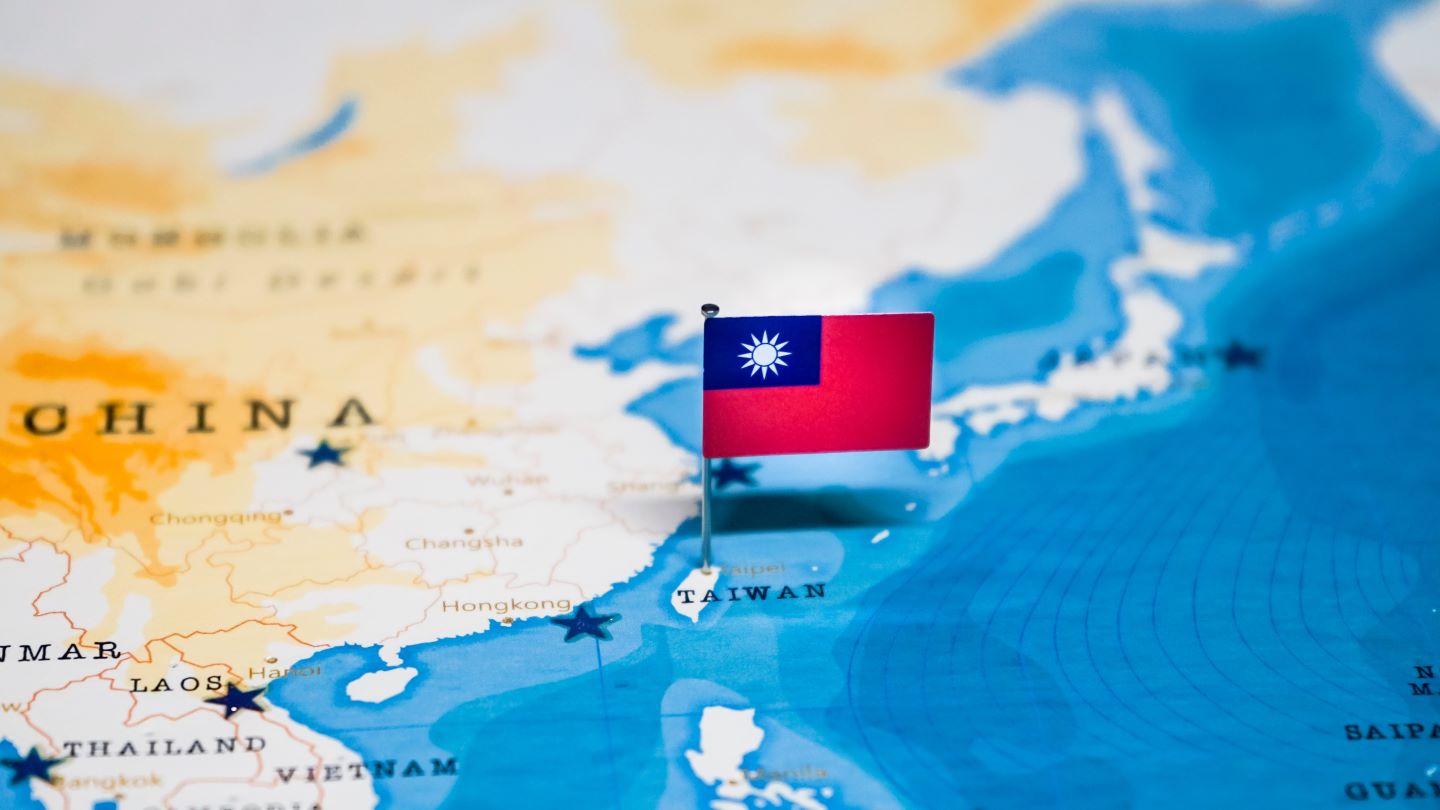
Taiwan’s financial regulator has said the island needs larger home-grown asset managers if it is to stand up as a regional financial centre alongside overseas rivals, reported Bloomberg.
Peng Jin-lung, who chairs the Financial Supervisory Commission, said Taiwan’s asset management sector should draw more effectively on the island’s strength in global technology and on the sizeable capital resources held by domestic financial groups.

Access deeper industry intelligence
Experience unmatched clarity with a single platform that combines unique data, AI, and human expertise.
Peng said: “If Taiwan does not develop multiple asset management firms with sufficient scale, it will be difficult to compete internationally.
“That limits our ability to promote Taiwan’s investment opportunities around the world.”
As part of that effort, the FSC is trying to channel more mandates towards local firms.
“We’re urging more domestic institutional investors to directly mandate local asset managers — either within their own financial groups or to other domestic peers — to quickly grow the industry,” Peng said.
FSC data show eight Taiwanese asset managers now oversee more than T$1tn each.
The two largest, Yuanta Securities Investment Trust and Cathay Securities Investment Trust, each manage more than T$2tn.
Cathay Financial Holding Co., the island’s biggest financial conglomerate, said in October that it intended over time to assign all of the more than T$7tn held by its life insurance arm to the group’s asset management business.
TS Financial Holding Co. has set out a comparable arrangement.
Taiwanese managers are also dealing with stronger competition from foreign firms increasing their activity in the local retail wealth market. BlackRock, JPMorgan Chase and AllianceBernstein are among those competing with domestic groups in exchange-traded funds listed in Taiwan.
Regulators are also trying to address the fast rise in local wealth associated with the AI boom. Steps under way include plans for a dedicated wealth management zone and draft legislation intended to reshape money-management activity across banks, asset managers and brokerages.
Earlier this month, Taiwan said some family trusts would be exempt from several layers of gift and estate taxes, in a move intended to draw wealthy individuals and encourage the development of family offices.
The regulator is also considering removing the limit on how many investors may take part in private equity funds, a change long sought by fund managers as alternative assets become more common in portfolios of wealthy clients.
In the longer term, Peng said he wants Taiwanese managers to obtain mandates from clients overseas. “We are working on retaining domestic wealth and attracting foreign capital simultaneously,” he said. “The two cannot be separated.”